
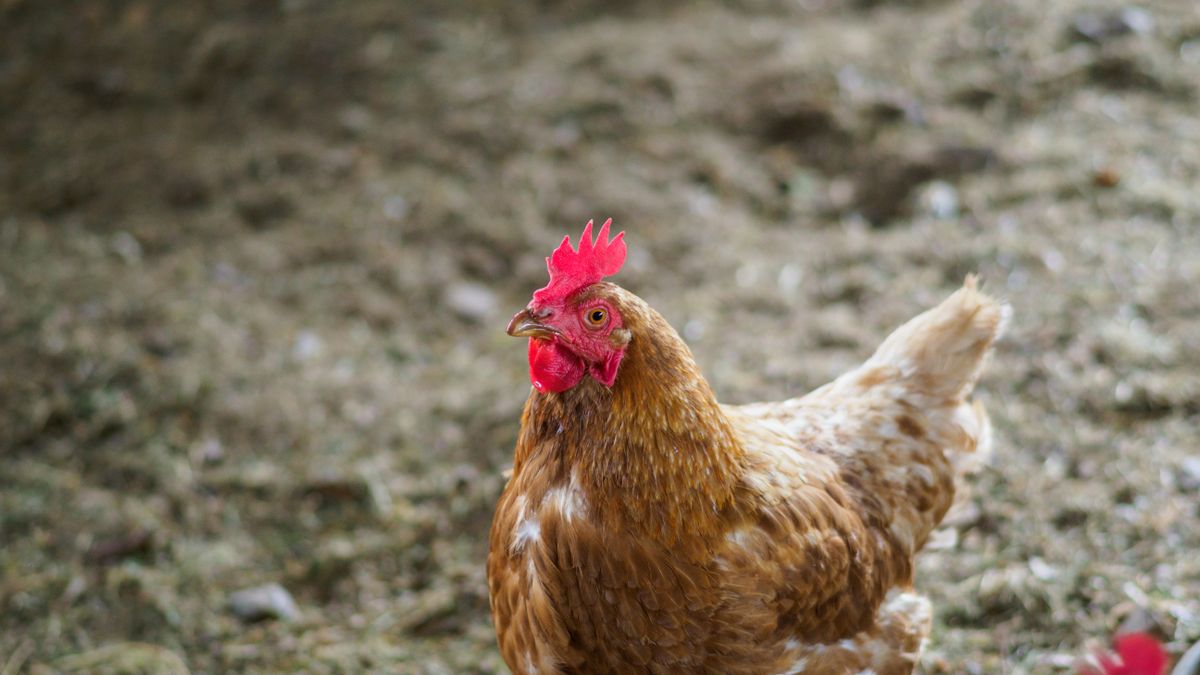
Every hen keeper eventually faces the same question: what on earth do I do with all this muck? A single hen produces somewhere between 40g and 60g of fresh droppings a day, which means a modest flock of six is quietly generating well over 100kg of the stuff every year. In a small garden that can feel overwhelming, but it is also one of the richest soil amendments you will ever get for free.
Fresh poultry manure is potent. It typically carries around 1.5 per cent nitrogen, along with useful phosphate, potash and calcium, which makes it far stronger than horse or cow manure. That strength is exactly why it cannot go straight onto a vegetable bed. Applied fresh, it will scorch roots, release ammonia into the air and can carry bacteria such as salmonella and campylobacter. Handled properly, though, it becomes black gold. The trick is patience and plenty of carbon.
Chicken manure on its own is a wet, sloppy, nitrogen-heavy material. Left in a pile it turns anaerobic, smells sharply of ammonia and attracts flies. The fix is simple: mix it with roughly two to three parts carbon-rich bedding for every one part droppings, by volume. If you are using a deep litter system in the coop or run, you are already halfway there.
Avoid adding cooked food, meat or dairy to an open heap, as these draw rats. Keep those for a sealed bin, or leave them out of the compost entirely.
For hot composting to kick in, you need volume. Aim for a bay or bin at least one cubic metre — roughly a metre wide, a metre deep and a metre tall. Smaller heaps simply cool down before the thermophilic bacteria get going.
A two-bay system made from pallets is ideal for a smallholding, because it lets you fill one side while the other matures. Build in layers: a few inches of bedding and droppings, a sprinkling of garden soil or finished compost to introduce microbes, then another layer, and so on. Water as you go if the material is dry. The goal is the consistency of a wrung-out sponge — damp, not sodden.
Cover the heap with a tarpaulin or old carpet in wet weather to stop it becoming a swamp, but lift it in dry spells so rain can help. Within a few days the core should reach 55–65°C, hot enough to kill many weed seeds and pathogens. A compost thermometer is a cheap and genuinely useful bit of kit.
Turn the heap every two to four weeks. Each turn moves the cooler outer material into the middle where the heat is, and reintroduces oxygen. If you turn and the heap has gone cold, it is usually too dry or short of nitrogen — add water or a bucket of fresh droppings. If it is slimy and sour, it is too wet or too compacted; fork in more shavings or shredded cardboard.
A well-built heap smells earthy, not offensive. Lingering ammonia means too much nitrogen, and flies mean the surface is too wet or there is exposed fresh manure. Bury fresh droppings under bedding straight away, keep the run dry, and give the coop a regular clear-out rather than letting litter build up beyond a few inches.
Fresh manure should never go directly onto growing beds. Stack or bin it and leave it to mature for at least six months, ideally nine to twelve. During that time the nitrogen settles into a gentler, more stable form that plants can use without damage.
Mature compost is dark, crumbly, smells sweet and shows no trace of recognisable droppings or bedding. Spread it in autumn or early winter so it has months to integrate before spring sowing, and always wash your hands after handling it. For salad crops and root vegetables eaten raw, apply the previous autumn rather than in the same season, and wash produce thoroughly.
Use finished chicken compost as a top dressing around hungry crops — courgettes, tomatoes, brassicas and fruit bushes all respond well. A generous two to three centimetre layer dug into the topsoil is plenty; it is rich enough that more is not better. You can also use fresh droppings in small quantities as an activator in a garden waste heap, or brew them into a diluted liquid feed for established plants in mid-summer.
Keep a small dedicated bin near the coop for day-to-day droppings, and let the big heap do its slow, quiet work. Two or three seasons in, you will wonder how you ever gardened without it.

Hi, my name is Anthony kuber. I am artist and fashion designer.
I love to travel and writing blogging.
Your email address will not be published. Required fields are marked *
Software Developer & Writer
Hey, I'm Diva, a developer and writer blending code and creativity. I'm driven by a deep curiosity and a relentless pursuit of excellence. Join me as I craft digital solutions and captivating stories.


