
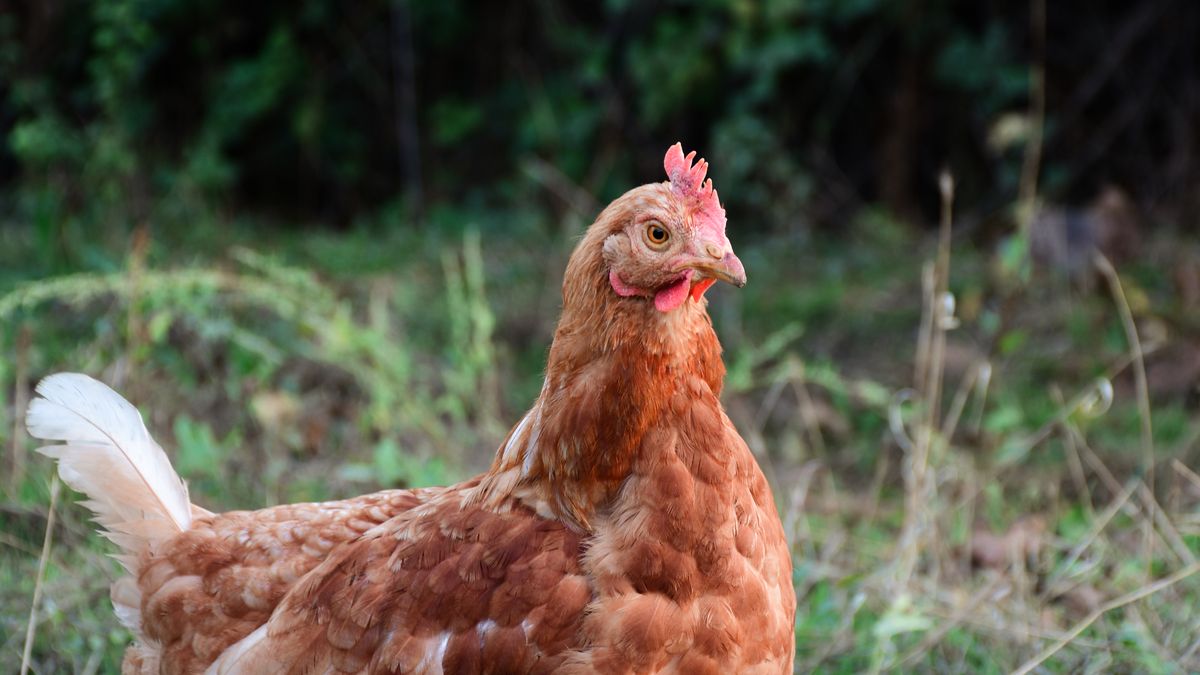
Red mite is the single most common complaint I hear from backyard keepers, and it is almost always the wooden coop that gets blamed. That is not unfair. Timber expands and contracts with the British weather, and every joint, screw hole and perch socket becomes a hiding place. Add the warm, humid microclimate under a felt roof and you have created a five-star hotel for a parasite that spends barely any time on the bird itself.
The mite you see is only the adult. It feeds at night, crawling onto your hens in the dark and retreating into cracks by first light. That is why so many keepers swear blind their birds are mite-free, then discover a grey, ash-like smear in a perch bracket weeks later. By that point, a handful of survivors has become thousands.
The good news is that wooden coops are entirely manageable. Prevention is not about drenching everything in chemicals every week; it is about knowing where mites live, inspecting those places properly, and disrupting their breeding cycle before it gets ahead of you.
In a warm coop through summer, red mite can complete a generation in as little as seven to ten days. Eggs hatch, nymphs feed, adults lay again. A single missed treatment gap of a fortnight in July can undo a whole spring of good work.
This is why one-off treatments fail. You are not trying to kill every mite in a single afternoon; you are trying to break the chain repeatedly, so the population never recovers. Treat, wait five to seven days, treat again. In hot weather, keep that rhythm up until you have had three consecutive clean inspections.
Cold weather slows them dramatically, but it does not kill them. Mites overwinter deep in crevices and in the hollow ends of perches, emerging hungry in March. A thorough late-winter clean is worth more than anything you do in August.
Ten minutes with a torch and a piece of white kitchen roll will tell you more than any amount of squinting from the doorway. Run the paper along the underside of perches and along the joins in the frame; mites leave a greyish smear that turns red-brown if you crush it.
Do this in daylight, in good light, and check the same spots each week so you learn what "normal" looks like. Also watch the birds: hens that pace outside at dusk, peck at themselves, show pale combs or a sudden drop in laying are telling you something.
Start with the coop empty. Scrape out bedding, then scrub every surface with hot water and a poultry-safe detergent, working it into the cracks with a stiff brush. Let it dry thoroughly — mites hate dryness far less than they hate being disturbed, but damp wood will ruin most treatments you apply afterwards.
For heavy infestations, steam cleaners and careful use of a heat gun on timber joints will kill mites and eggs hiding inside. Never use a naked flame near bedding, felt or treated wood, and keep a water source to hand.
Then treat the structure. Choose a product licensed for poultry housing and follow the label exactly, paying attention to whether it is approved for use on the birds themselves or only on the fabric of the coop. Paint or spray it into every crack, joint and perch socket. If your coop has been badly infested for years, it is worth filling deep crevices with a poultry-safe sealant or wood filler afterwards, so future mites have nowhere to hide.
Replace perches with smooth, removable timber you can lift out and treat separately. Ditch fabric curtains, old felt and anything else that holds mites and cannot be cleaned.
Food-grade diatomaceous earth is a useful part of the toolkit, not a silver bullet. Its microscopic particles abrade the mite's waxy outer layer, causing it to dehydrate and die. It works best in dry conditions, so use it in dust baths, nest boxes and dry crevices — once it is damp it is largely ineffective.
Alongside this, keep a poultry-safe spray for surfaces and a licensed treatment for the birds if your vet or supplier recommends one. Rotate actives where the label allows, and always respect egg withdrawal periods.
Quarantine new birds for at least two weeks and inspect them before they go anywhere near the coop. Never accept a second-hand coop without stripping, cleaning and treating it first. Keep bedding to a manageable depth, replace it regularly, and avoid storing sacks of shavings against the coop wall where mites can travel.
Finally, write the dates down. Note when you cleaned, what you used and what you found. Patterns emerge quickly, and a keeper who treats on schedule in May never has to panic in September.

Hi, my name is Anthony kuber. I am artist and fashion designer.
I love to travel and writing blogging.
Your email address will not be published. Required fields are marked *
Software Developer & Writer
Hey, I'm Diva, a developer and writer blending code and creativity. I'm driven by a deep curiosity and a relentless pursuit of excellence. Join me as I craft digital solutions and captivating stories.


