
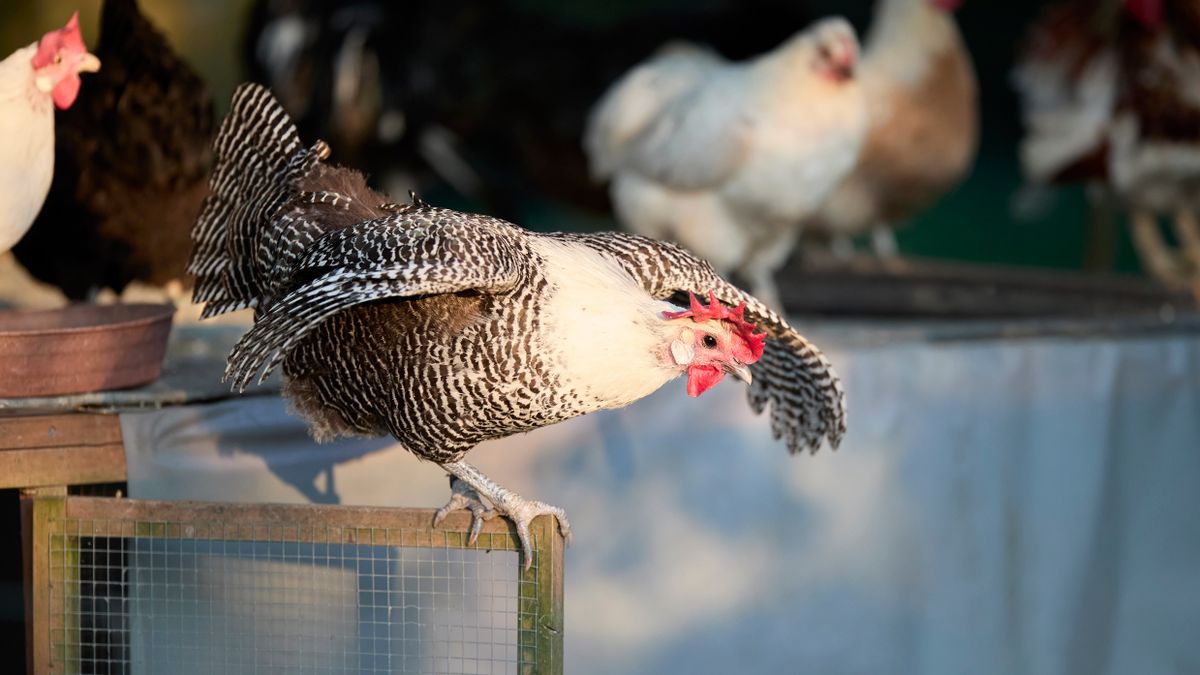
There is something deeply satisfying about watching a hen settle onto a clutch of eggs, clucking softly as she tucks them beneath her feathers. A broody hen provides steady warmth, natural humidity, and the gentle turning that fertile eggs need to develop. She also teaches the chicks to eat, drink, scratch, and take cover — lessons no electric incubator can replicate. But letting nature take its course still requires a little planning. Your job is to give her the right conditions, then step back and let her work her magic.
Start with fertile eggs from a healthy cockerel and hens. Choose clean, uncracked eggs that are no more than seven to ten days old. Do not wash them — the natural bloom protects against bacteria. Once your hen is reliably sitting, mark each egg with a soft pencil: a small cross on one side and the date on the other. This helps you spot any new eggs laid by other hens and remove them before they chill or rot.
Limit disturbance from the very beginning. A good broody hen leaves the nest once a day, usually in the morning, to eat, drink, dust-bathe, and produce a very large, smelly dropping. That is normal. Keep the coop quiet during her break, and do not lift her off the nest to check eggs. If she is off for more than twenty minutes in cold weather, gently encourage her back. Consistent warmth and humidity matter more than perfect egg hygiene, so resist the urge to fuss.
Move your broody hen to a separate coop or a secure dog crate before you give her eggs — ideally at night, when she is calm. The nest should be on the ground, lined with dry straw or wood shavings, and positioned in a dark, draught-free corner. She needs to see and hear the rest of the flock, but not be pestered by other hens trying to lay in her nest.
Chicken eggs take around twenty-one days to hatch. During the final three days, the hen stops turning the eggs and stays put almost constantly. This is her lockdown. Do not open the nest box, do not candle the eggs, and do not lift her. Listen for soft cheeping and tiny tapping sounds — that is the chick pipping internally, then breaking through the shell.
Under a hen, humidity is usually perfect. If the weather is very dry and hot, you can place a shallow dish of water near the nest, but never soak the bedding. Chicks can take up to twenty-four hours to fully emerge. Leave them under the mother to dry and fluff up. Do not help unless a chick is clearly stuck for many hours and the membrane is dry and brown — and even then, go slowly. Interfering too soon can kill a healthy chick.
Once the chicks are mobile, the hen will keep them warm under her wings, but they need a safe space to explore. Provide chick crumb in a shallow dish and water in a saucer with clean pebbles or marbles so they cannot drown. The broody coop should have a secure, covered run attached, so the hen can lead them outside without exposing them to hawks, cats, or the rest of the flock.
Keep the family separate from other chickens for at least four to six weeks. Other hens may attack strange chicks, and a rooster can be dangerously rough. Let the mother take her brood out for short periods after the first twenty-four hours, but always give them shade, shelter, and an easy route back to the nest. Watch for any chick that lags behind or gets chilled — a quick warm under your jumper or in a box with a hot water bottle wrapped in a towel can save it.
Most broody hens are excellent mothers, but things can go wrong. A hen may abandon the nest if she is disturbed too often or if mites infest the coop. Check for red mites at night with a torch, and clean the coop thoroughly between clutches. If a hen rejects a chick, try slipping it under her at night, when she is drowsy. If an egg is broken and smells bad, remove it immediately and clean the nest — but keep disturbance to a minimum.
With a little preparation, a broody hen will do the hard work for you. Mark the clutch, limit disturbance, and give her a secure, quiet place to raise her chicks. The result is a calm, healthy flock — and one of the most rewarding sights in backyard poultry keeping.

Hi, my name is Anthony kuber. I am artist and fashion designer.
I love to travel and writing blogging.
Your email address will not be published. Required fields are marked *
Software Developer & Writer
Hey, I'm Diva, a developer and writer blending code and creativity. I'm driven by a deep curiosity and a relentless pursuit of excellence. Join me as I craft digital solutions and captivating stories.


