
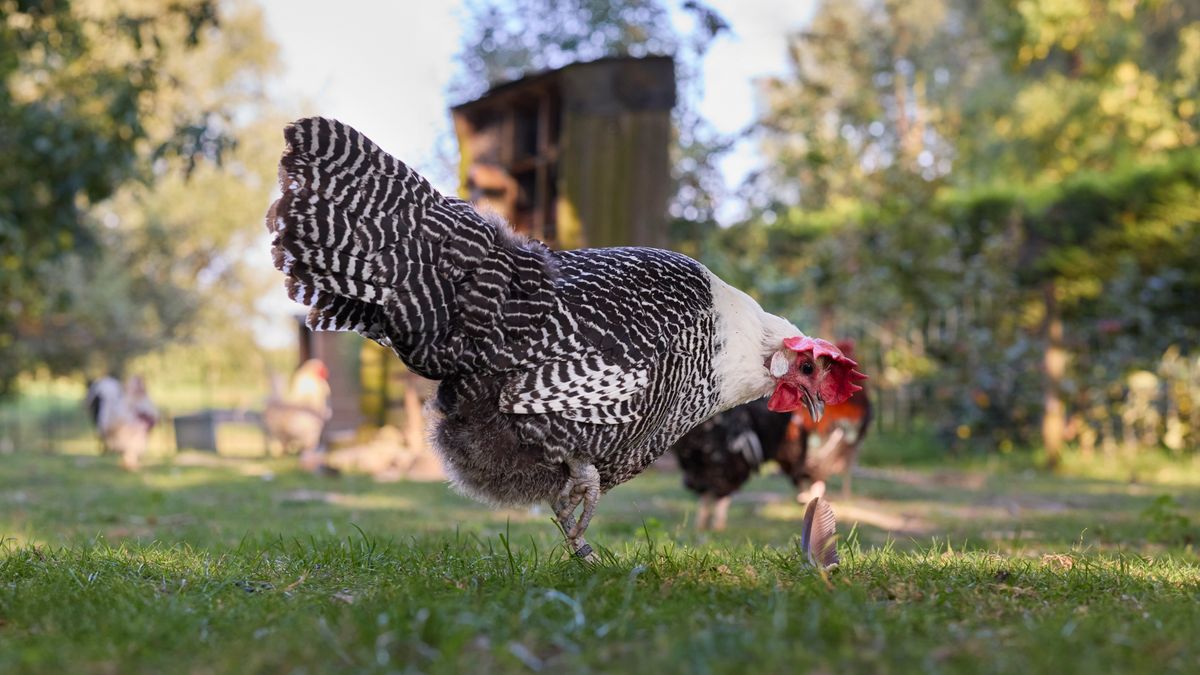
Before you fall for a photograph of a fluffy Orpington, spend an honest half hour in your garden with a tape measure. Hens are not demanding animals, but they are destructive little gardeners and they need space that stays dry, shaded in summer and reasonably sheltered from wind. A trio of hens is the classic starting point: three birds settle into a pecking order more easily than two, and you will still have a usable nest box arrangement if you lose one.
As a rule of thumb, allow about one square metre of run per bird, and double that if the run will be permanently fixed on the same patch of ground rather than rotated. Inside the coop, think in terms of roughly 30cm of floor space per bird for the smaller hybrids, more for large pure breeds, plus 20–25cm of perch each. Dust baths, a bit of morning sun and somewhere to scratch are not luxuries; they are what keeps hens busy, and busy hens do not feather-peck.
For most first-timers, a hybrid layer is the sensible choice. They are hardy, calm, vaccinated, and will reward you with 280–320 eggs in their first laying year. Pure breeds lay fewer eggs — often 150–200 — but live longer, moult gracefully and tend to be better at foraging if you let them range.
Do not overlook temperament and noise. Some breeds chatter loudly through the morning, which matters if your neighbours' bedroom wall is a fence panel away. And unless you genuinely want chicks, avoid cockerels entirely in a suburban garden; crowing starts early, carries far and cannot be trained out.
Rules vary enormously across the UK, and it is far easier to check them now than to rehome birds later. Working through this list takes ten minutes and saves months of worry:
It is also worth confirming with your household that someone will be around to shut the hens in at dusk and let them out at first light, every day, including Christmas.
A coop that arrives the same week as the birds usually means a rushed job, and foxes do not offer second chances. Sort the housing first, then go shopping for hens.
Buy from a reputable breeder or a well-run farm, ideally one that will let you see the birds' housing. Healthy pullets are alert and curious, with bright eyes, clean nostrils, smooth leg scales and no wheezing or head-shaking. Check the coop they came from for red mite — tiny grey specks that turn red after feeding and hide in perch ends and crevices. Ask about vaccinations and worming history, and whether the birds have been outside before; pullets reared indoors need a gentle introduction to grass and weather.
If you already keep hens, quarantine new birds for two to three weeks well away from the flock, changing clothes and footwear between groups.
Put new hens straight into the coop at dusk with food and water inside, and keep them confined for the first few days so they learn that this is home. Feed layers' pellets as the main ration, with a little mixed corn in the late afternoon in cold weather, plus crushed oyster shell and grit offered separately. Fresh water daily, and no kitchen scraps — it is not worth the disease risk or the legal grey areas.
Spend ten quiet minutes a day sitting with them, offering a handful of corn from a flat palm. Within a fortnight most hens will eat from your hand, and within a month they will follow you round the garden. That, more than the eggs, is the real reward of keeping poultry.

Hi, my name is Anthony kuber. I am artist and fashion designer.
I love to travel and writing blogging.
Your email address will not be published. Required fields are marked *
Software Developer & Writer
Hey, I'm Diva, a developer and writer blending code and creativity. I'm driven by a deep curiosity and a relentless pursuit of excellence. Join me as I craft digital solutions and captivating stories.


