
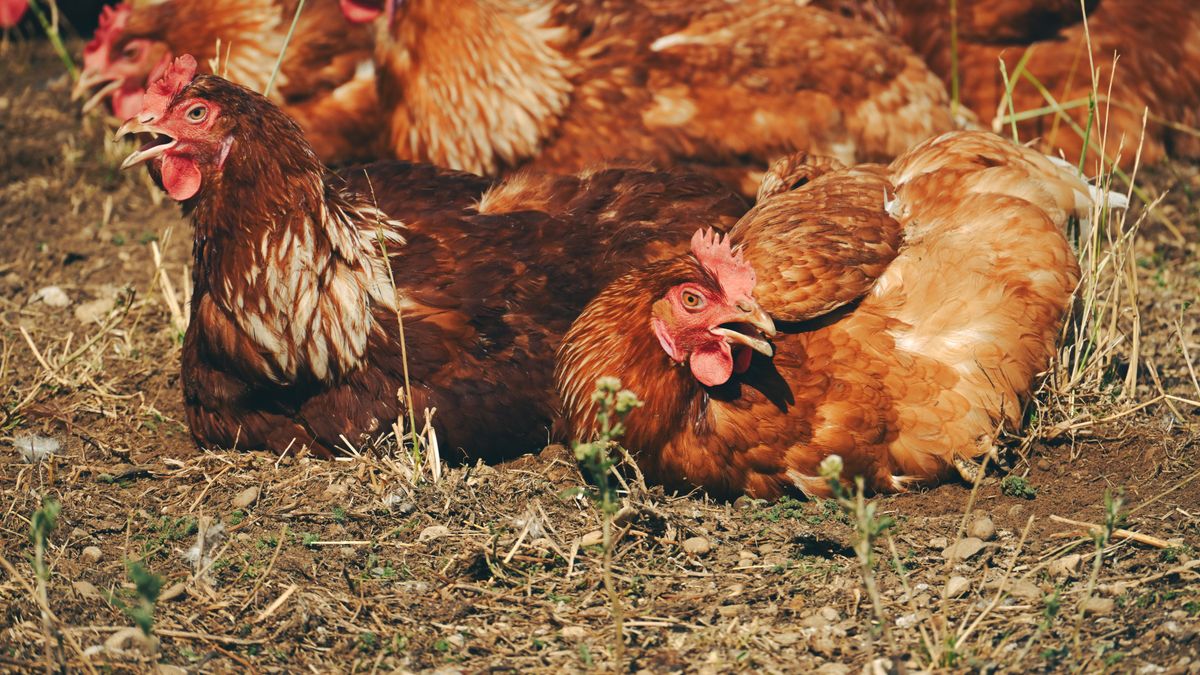
Every garden flock, whether it's three hybrids behind the shed or thirty birds on a smallholding, organises itself into a hierarchy. It isn't cruelty, and it isn't a sign that something has gone wrong. Chickens use rank to avoid constant fighting: rather than scrapping over every scrap of feed, they learn who defers to whom and get on with the day. In a small flock of three to eight hens, the order usually looks like a ladder, with one clear lead hen, a middle group and a bird or two at the bottom. In larger flocks it becomes more of a web of small arrangements, where a hen may outrank one bird and step aside for another.
What matters for you as a keeper is not who stands where, but whether every bird can eat, drink, dust bathe and roost without being chased away from it. A pecking order that lets all your hens do those four things is working exactly as it should.
Pullets reared together usually settle into a stable order within a few days of moving outside. But it is never fixed. The order shifts whenever the flock changes, which means keepers should expect a period of jostling after:
Expect two to three weeks of noise and chasing after a change, and occasionally a month before things settle. A moulting or unwell hen will often drop several places in a matter of days, so it pays to keep a quiet eye on her at feed time.
Hens are blunt with each other, and a certain amount of shoving is normal. A quick single peck, a hard stare, a hen stepping aside at the feeder, or a short chase that ends in seconds are all routine. So is a bit of feather ruffling and low muttering around the perch at dusk.
Genuine bullying looks different. Watch for:
Feather pulling around the vent is the one to take most seriously. Once skin is broken, the flock's curiosity can escalate quickly, and a hen can be badly hurt within a day.
Most bullying in garden flocks is caused by layout rather than temperament. A single feeder in a single open run forces every hen into the same spot, which gives the top birds an easy monopoly. The fix is generous, spread-out provision:
Add clutter to break up the space. Upturned crates with a doorway cut in the side, pallets raised on bricks, straw bales, a stack of logs, shrubby planters or a woven hurdle all work well. Aim for barriers around a metre high, which is enough to interrupt a hen's line of sight at eye level, and give each hiding place two exits so nobody can be trapped in a dead end. Boredom is a major driver of feather pecking, so a run that is interesting to scratch about in is doing double duty.
Intervene when there is blood, when a hen cannot access feed or water, or when a bird is being pinned repeatedly. Move the injured hen, not the bully, into a crate or small pen inside the run where she can see, hear and smell the flock. Treat any wounds, use a bitter anti-peck spray once the skin has closed, and return her as soon as she is healed, usually within two or three days. Keeping her away longer makes reintroduction harder, not easier.
Removing the lead hen is tempting but rarely solves the problem. It creates a vacancy, and the scramble to fill it can be rougher than the original arrangement. It is usually better to change the environment first: more feeders, more clutter, more space.
When introducing new birds, keep them separate but visible for a week or two, then mix them at dusk when everyone is drowsy, with extra feed stations and plenty of room to retreat. Go out at dusk a week later and feel crops: if every hen, including the one at the bottom of the ladder, goes to roost with a full crop, a clean vent and a place on the perch, your pecking order is doing its job.

Hi, my name is Anthony kuber. I am artist and fashion designer.
I love to travel and writing blogging.
Your email address will not be published. Required fields are marked *
Software Developer & Writer
Hey, I'm Diva, a developer and writer blending code and creativity. I'm driven by a deep curiosity and a relentless pursuit of excellence. Join me as I craft digital solutions and captivating stories.


