
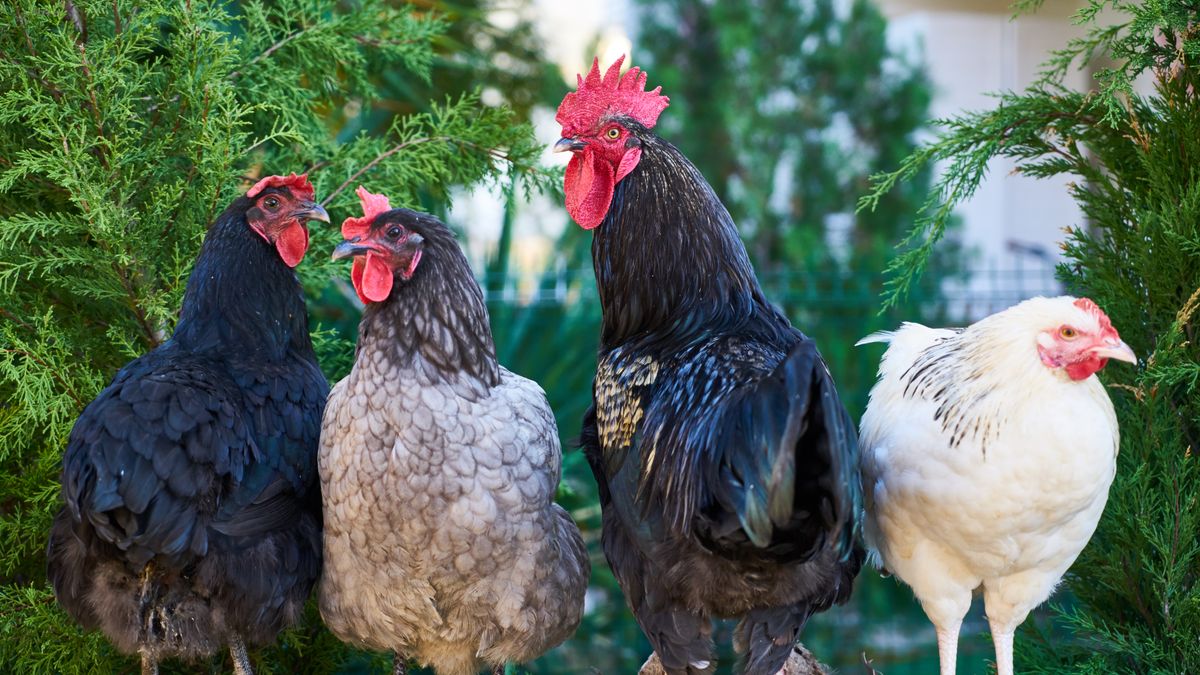
A hen is a small miracle of conversion. Give her a well-formulated ration and she will turn it into glossy feathers, strong shells and a steady supply of eggs for years. Get it wrong, and you will see the results in thin-shelled eggs, dull plumage, feather pecking and a flock that seems to be constantly under the weather.
The temptation for anyone with a back garden or a smallholding is to feed the birds whatever the kitchen produces. It feels thrifty, it feels kind, and it is almost always a mistake. Layers pellets are not a dull industrial substitute for "real" food — they are a precisely balanced ration designed to deliver the protein, calcium, phosphorus, vitamins and trace minerals a laying hen needs every single day. Kitchen scraps, however wholesome they look, cannot do that job.
Think of pellets as the staple and everything else as the garnish. A hen filling up on bread, pasta and vegetable peelings is a hen who has no room left for the nutrition that actually keeps her productive.
Most good-quality layers pellets sit somewhere around 16–17 per cent protein, with a calcium level of roughly 3.5 to 4 per cent. That calcium figure matters enormously — a hen laying six eggs a week is mobilising a startling amount of the mineral, and if she cannot get it from her feed she will strip it from her own bones.
When you are choosing a bag, look at the label rather than the price alone. You want a feed that states it is a complete compound ration for laying hens, with a declared analysis printed on the bag. Beyond that, check for:
If you keep a mixed flock with a cockerel or non-laying birds, layers pellets will not harm them, though the extra calcium is unnecessary. Do not, however, feed layers rations to growing chicks; they need a different balance entirely.
The usual rule of thumb is around 120 to 140 grams per hen per day, depending on size, breed and whether she is in lay. Large fowl in full production will sit at the top of that range; bantams and birds in moult need noticeably less.
There are two sensible approaches, and both work well:
Whatever you choose, feed at roughly the same times each day and remove any spilled pellets from the run before they get damp. Wet, mouldy feed is a genuine health risk and a magnet for rats.
Pellets alone are not quite the whole story. Hens have no teeth, so they swallow food whole and rely on the gizzard to grind it down. That grinding needs insoluble grit — small flinty stones — which sits in the gizzard and does the work of molars. Without it, even the best feed passes through only partly digested.
Alongside grit, offer oyster shell or a similar soluble calcium source in a separate hopper. Oyster shell dissolves gradually and gives a hen calcium exactly when she needs it, which is overnight while the shell is being formed. Do not mix it into the pellets; let the birds help themselves.
A simple arrangement works best: one small hopper of grit, one of oyster shell, both kept topped up and dry, with the main feed offered separately.
Nobody keeps hens purely for efficiency. Handing out a handful of something green is half the pleasure of the hobby. The trick is proportion. A good working guideline is that treats should make up no more than about 10 per cent of the daily intake, by weight.
Safe and useful extras include:
Keep well away from mouldy or fermented food, raw potato and green potato skins, avocado, chocolate, and anything salty or oily. Bread is not poisonous but it is nutritionally hollow, so treat it as an occasional curiosity rather than a staple. Citrus peel and large quantities of onions are best avoided too, as they can taint the eggs.
One thing worth remembering: the legal position in the UK is that catering waste from kitchens containing meat, and anything that has been in a kitchen where meat is prepared, must not be fed to poultry. Keep your scraps to clean garden and vegetable produce and you will stay comfortably within the rules.
Buy in quantities you will use within a month or two, and store in a cool, dry, rodent-proof bin. Heat and damp are the two enemies of feed quality.
Adjust as the seasons turn. Hens eat more in cold weather and less in high summer; they need more protein and calcium during a moult; and productivity naturally dips in the shorter days. Watch the birds rather than the calendar — bright eyes, smooth plumage, hard-shelled eggs and steady laying tell you the ration is working. If those slip, revisit the basics before reaching for supplements.
Get the pellet ration right, keep grit and oyster shell available, and let the treats stay a treat. That is the whole of ethical backyard poultry keeping in a nutshell — and your hens will repay you handsomely for it.

Hi, my name is Anthony kuber. I am artist and fashion designer.
I love to travel and writing blogging.
Your email address will not be published. Required fields are marked *
Software Developer & Writer
Hey, I'm Diva, a developer and writer blending code and creativity. I'm driven by a deep curiosity and a relentless pursuit of excellence. Join me as I craft digital solutions and captivating stories.


