
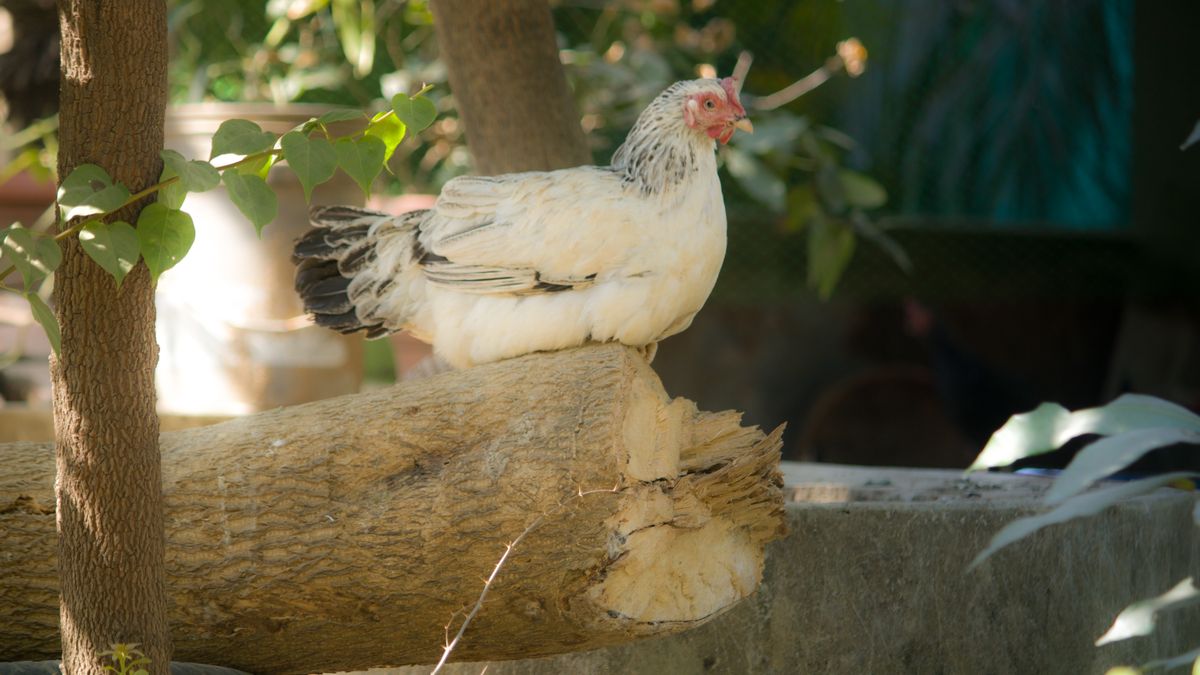
Bumblefoot is the everyday name for pododermatitis — an infection of the foot pad that begins as a small injury and gradually turns into something far more troublesome. In backyard hens it is one of the most common leg problems we see, and it is almost always the result of a tiny breach in the skin of the foot. A scratch from a sharp piece of grit, a thorn, a splinter, or even a hard landing off a perch lets bacteria in. The usual culprit is Staphylococcus aureus, a bacterium that lives quite happily on healthy skin and only causes mischief once the barrier is broken.
Once inside, the infection wallows in the soft tissue of the foot. Chickens produce a thick, cheesy, caseous pus rather than the runny discharge you might expect, so it cannot drain away on its own. Instead it builds up as a swollen, hot, painful lump — often with a distinctive black scab or plug on the underside of the foot.
Hens are stoic creatures and will keep eating, laying and scratching about long after something is bothering them. That means you need to look deliberately rather than wait for obvious distress.
Pick your hens up once a week and have a proper look at their feet. It takes thirty seconds and it is the single best way to catch bumblefoot while it is still a small, easily managed problem.
Bumblefoot is rarely random. It tends to appear where one or more contributing factors are at play.
If the swelling is mild and your hen is still moving about reasonably well, you can begin treatment at home — but if the foot is very swollen, hot, or she is clearly in pain, ring your vet first. Bumblefoot that has spread into the tendon sheath or bone needs professional attention and prescription antibiotics.
For straightforward cases, work in a warm, well-lit space and have everything to hand before you start.
A good bandage protects the foot without cutting off circulation. Use a non-stick pad over the wound, then wrap with a cohesive self-adhesive bandage in a figure-of-eight around the foot and up over the hock. Keep it snug but check that you can still slide a finger underneath. Change the dressing every day, or sooner if it becomes wet or dirty, and check for rubbing or pressure points each time.
Pain relief matters more than many keepers realise. A hen in discomfort will not eat or move normally, which slows healing. Never give human painkillers — paracetamol and ibuprofen are toxic to poultry. Only a vet can safely prescribe meloxicam or similar, so ask for it if your hen is lame. Expect mild cases to improve within a week or two; deep infections can take a month or more, and stubborn cases often need a course of antibiotics alongside the dressings.
Good husbandry prevents most bumblefoot. Keep litter dry and topped up, use soft bedding such as hemp or large-flake shavings, and check runs after heavy rain. Sand down rough perch ends, lower perches so hens hop rather than thump down, and add a gentle ramp to any raised coop. Rake the run for sharp stones and keep feeders and drinkers off bare ground. Finally, watch your hens' weight — an overweight bird puts constant pressure on those foot pads.
Check feet weekly, act early on any swelling, and involve your vet when things look serious. A little attention now saves a great deal of trouble later.

Hi, my name is Anthony kuber. I am artist and fashion designer.
I love to travel and writing blogging.
Your email address will not be published. Required fields are marked *
Software Developer & Writer
Hey, I'm Diva, a developer and writer blending code and creativity. I'm driven by a deep curiosity and a relentless pursuit of excellence. Join me as I craft digital solutions and captivating stories.


