
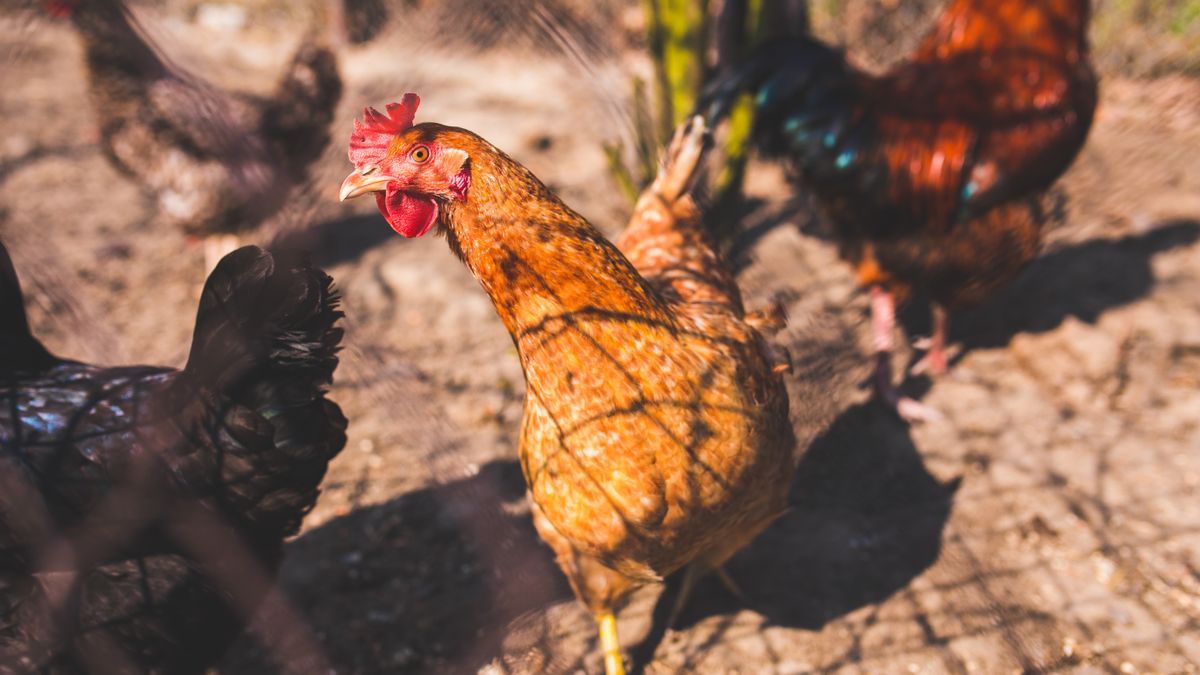
Chickens are wonderful, but they are not naturally welcoming to strangers. An established flock has a settled hierarchy, shared smells and a route around the run that every bird knows by heart. Drop two or three newcomers into that space and you will get chasing, feather pulling, blocked feeders and a lot of distressed noise. In the worst cases you get blood, and once blood is drawn, the flock will not forget.
The good news is that patience solves almost all of this. A sensible introduction takes two to four weeks, not one evening. Work through it properly and your new hens will settle with far less stress, and your existing girls will carry on laying as though nothing much has happened.
Never skip this step, even if the new hens look bright and healthy. Stress and travel can bring an underlying illness to the surface, and you do not want to expose your flock to something they have no immunity against.
Four weeks feels like a long time when you have a pair of lovely new pullets in a small run. It is considerably shorter than treating a respiratory infection through the whole flock.
Once quarantine is done, move the new hens so their run sits alongside your main run, with a solid divide between them. Use weldmesh with holes no wider than 25mm. Domestic chicken wire is too flimsy and allows beaks to meet through the gaps, which is exactly what you are trying to avoid.
Leave them like this for seven to fourteen days. Put feeders and drinkers on both sides of the divide so the birds eat and drink within a metre of each other, which is how chickens get used to one another's company and smell. Expect some posturing, a bit of staring and a few alarm calls in the beginning. What you are listening for is the noise settling: fewer shrieks, more of the relaxed clucking that means everyone has accepted the situation.
When the fence-line has gone quiet, let them mix for short periods under your eye. Late afternoon works best, when the flock is full of pellets and thinking about the perch rather than a fight.
A certain amount of chasing, a sharp peck and some fluffed-up indignation is normal. What is not normal is a bird pinned to the ground, blood, or a newcomer trapped in a corner with no way out. Step in, give the victim a break, and try again the following day.
When daytime meetings go reasonably calmly, it is time to move the new hens in. Go out an hour after dark, when the flock is properly roosting. Hens cannot see much in low light, so there is no chasing and no fighting at the moment they meet.
Lift the new birds gently onto the perch beside your existing hens, then shut the pop hole and leave them until morning. They will wake up together as one flock, and if you are lucky that is that. Keep feeders and drinkers in multiple places, well spread out, so a nervous newcomer is never kept from food by a guarding hen. Avoid popping new birds into nest boxes, as this can cause broken eggs and squabbles the next morning.
Your main job now is watching the details. Are the new hens getting to the feeders? Are they on the perch at night, or huddled in a corner? Are their combs and feathering intact? Are they coming out in the morning rather than hiding?
Expect some grumbling for a week or two. Scatter feed widely, hang up a cabbage or two to occupy busy beaks, and make sure there is a good dust bath and enough perch space for everyone. If one hen is bullying without mercy, remove the bully, not the victim, and keep her in a crate or separate run for a few days. That breaks the habit and gives the newcomers time to find their feet.
Within three to four weeks your flock should be eating, dust bathing and roosting as one group. The odd dirty look will still happen, and that is simply chickens being chickens — but peace, and a full nest box each morning, is well worth the wait.

Hi, my name is Anthony kuber. I am artist and fashion designer.
I love to travel and writing blogging.
Your email address will not be published. Required fields are marked *
Software Developer & Writer
Hey, I'm Diva, a developer and writer blending code and creativity. I'm driven by a deep curiosity and a relentless pursuit of excellence. Join me as I craft digital solutions and captivating stories.


