
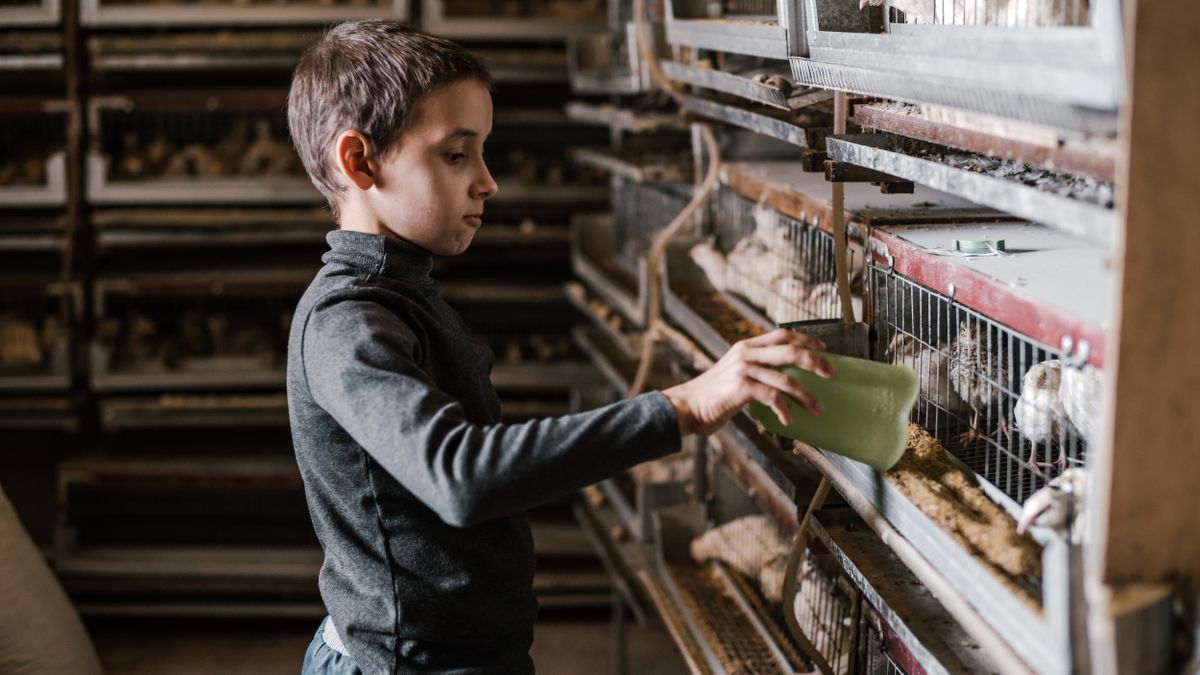
Keeping a few hens in the garden or on a smallholding is one of the most rewarding parts of ethical poultry care. But even the best set-up can leave birds bored if their run is bare. Boredom in confined flocks often shows as feather pecking, egg eating, pacing, or bullying. The good news is that simple enrichment ideas can transform a plain patch into a place where hens scratch, perch, dust bathe, and explore just as they would in a wider ranging system.
Chickens are clever, busy birds with strong instincts. They want to forage, peck, scratch, perch, and keep their feathers clean. When they cannot do these things, stress builds. A hen with nothing to do may turn her attention to a flockmate’s feathers or to eggs in the nest box. Enrichment is not a luxury or a gimmick; it is part of good husbandry. It supports natural behaviour, reduces tension, and helps every bird access food, shelter, and comfort without being bullied.
You do not need a huge space to make a difference. Small runs benefit most from vertical space, movable items, and a rotating supply of safe things to peck. Watch your flock for a few minutes each day. If hens are standing at the wire, pacing, or pecking at each other, they are telling you something needs to change.
Perches are one of the easiest and most valuable additions. Chickens naturally roost off the ground, and a sturdy perch gives them a sense of safety. Fit untreated timber perches at different heights, such as 30cm, 60cm, and 90cm if your run allows. A width of 5–8cm is ideal, with rounded edges so feet grip comfortably. Avoid thin wire, slippery plastic, or sharp metal.
Vertical space makes a small run feel larger. It also lets lower-ranked hens move away from bullies. Always check that perches are not above feeders or drinkers where droppings can fall into them.
Dust bathing is essential for hens. They create shallow hollows, flap dry soil through their feathers, and use the dust to absorb excess oil and discourage parasites. A hen denied a dust bath may look scruffy, become restless, or peck at her own feathers. Provide a shallow tray or a dedicated corner with dry soil, sand, or a mix of both. Wood ash from untreated wood can be added in small amounts.
If your hens already have a favourite dusting spot, do not fill it in. Encourage it instead. In a damp British winter, a covered dust bath is one of the kindest things you can offer a confined flock.
Hanging leafy greens mimics browsing and keeps hens busy for ages. Use a strong string or a vegetable holder to hang cabbage, kale, cauliflower leaves, or broccoli at head height. The birds must jump, stretch, and peck, which slows eating and reduces boredom. Rotate the position so the ground beneath does not turn into a muddy, poached patch.
A whole swede or a hanging broccoli head can be skewered on a strong rope and suspended. Always make sure greens are pesticide-free and washed if they came from a shop.
Foraging is the core of a chicken’s day. Instead of putting all feed in one bowl, scatter part of the daily ration through deep litter such as woodchip, straw, or dry leaves. Hens will scratch and search for every grain. A foraging tray takes this further: use a shallow tray filled with sand, soil, or woodchip, then sprinkle grain, seeds, or chopped greens through it. A few dried mealworms hidden inside make it a real treat.
Turn over the litter in your run every week and keep it dry. A mix of woodchip and straw gives hens something to scratch, dust, and explore.
Enrichment works best when it changes. Hens quickly become used to the same items, so rotate them. A simple weekly plan might be: Monday scatter grain in the litter; Tuesday hang fresh greens; Wednesday refresh the dust bath; Thursday add a log or platform; Friday fill a foraging tray. Move feeders and drinkers slightly each week to encourage movement.
Watch how your hens behave. Are all birds able to reach food, water, perches, and nest boxes? Bullies can guard resources, so provide more than one feeding point. If you see feather pecking, vent pecking, or egg eating, increase space, add enrichment, and seek veterinary advice if it continues. In hot weather, offer shade and shallow dishes of water; in cold, keep the dust bath dry and hang leafy greens to keep birds active.
Ethical backyard chicken keeping is about meeting needs, not just avoiding harm. A few perches, a proper dust bath, hanging greens, and a safe foraging tray cost very little. They turn a bare run into a rich, interesting home. Start with one change today and watch your flock grow calmer, busier, and happier.

Hi, my name is Anthony kuber. I am artist and fashion designer.
I love to travel and writing blogging.
Your email address will not be published. Required fields are marked *
Software Developer & Writer
Hey, I'm Diva, a developer and writer blending code and creativity. I'm driven by a deep curiosity and a relentless pursuit of excellence. Join me as I craft digital solutions and captivating stories.


