
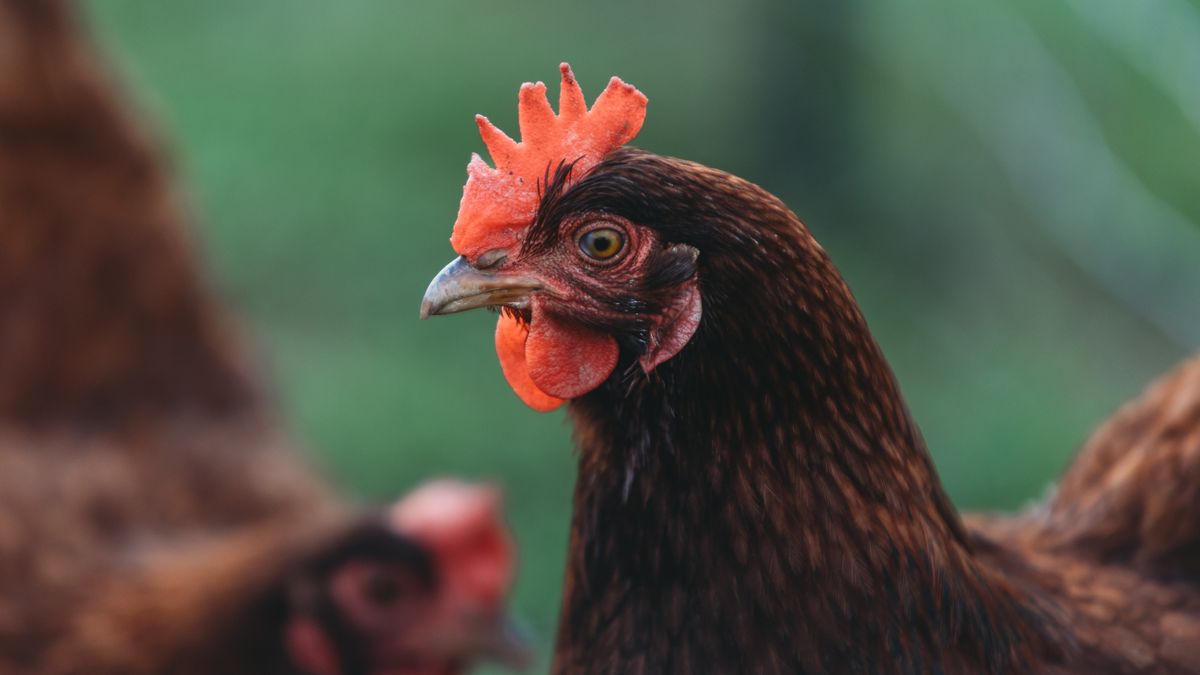
Every year in the UK, hundreds of thousands of laying hens reach the end of their commercial working life at around 18 months old. They are still young birds with plenty of life ahead, but they are no longer considered profitable. Rehoming organisations offer them a second chance, and the people who take them on rarely regret it. A hen that arrives nervous and feather-bare will often, within a few months, be following you round the garden demanding treats.
Be realistic, though. These hybrids are bred to lay, and many have produced more than 400 eggs before they reach you. They can be prone to reproductive problems, poor feather cover and weak legs. Taking one on is a commitment of time and patience, not just coop space.
Have everything ready before the birds turn up, so they can go straight into a settled routine.
Do not skip quarantine. Assume any rehomed hen may carry lice, mites or worms, and keep new arrivals away from your existing flock for at least two to three weeks.
Commercial sheds are kept at a steady temperature, often around 18–20°C, with controlled lighting. A hen arriving in a British January will feel the cold keenly, and one with no feathers on her belly or back will chill quickly. Provide extra bedding and a sheltered corner.
Expect the birds to stand still, huddle, or pant with stress for a day or two. Leave them quiet. Once they settle, check each bird for:
Their first eggs may be soft-shelled, oddly shaped or laid on the floor. Some hens will not use a nest box until you put a ceramic egg or golf ball in one and leave it there.
Never chase a hen. Corner her slowly, or drop a light towel over her, then lift with both hands supporting the breast and belly, wings folded in. Hold her close and speak quietly, and keep sessions to a minute or two at first.
Food is your best tool. Scrambled egg, sweetcorn or a few mealworms offered from a flat palm will turn most hens round within a week. If a hen squats as you approach, take it as a compliment: it is a submissive, trusting posture.
Once settled, handle each bird briefly once a week, ideally at dusk when they are calm, checking weight, vent, crop and feet.
A hen that has spent her life indoors has never seen grass, dust or direct sunlight, and bare skin burns. Introduce the outdoors gradually.
When mixing with an existing flock, use a see-but-not-touch setup for a week or two, then introduce at night with feeders and drinkers spaced well apart. Expect squabbling. Watch closely for feather pecking at bare skin, which can escalate fast.
Feed a good-quality layers' pellet or mash for the rest of their lives, with free-access oyster shell to support shell quality. Mash is often easier for hens with damaged or trimmed beaks.
Feather regrowth takes six to twelve weeks, and many hens moult soon after arrival. Until then, keep them dry and warm, and stay vigilant for red mite, which thrives in summer and will weaken an already tired bird.
Be alert to the conditions these hybrids are prone to: egg peritonitis, prolapse, impacted crop and internal laying. Register with a vet who sees poultry, and be prepared to make a welfare call rather than prolong a bird's discomfort.
Finally, do not expect a steady supply of eggs. Many rehomed hens lay well for another year or two; others stop almost entirely. Either way, they have more than earned a peaceful retirement.

Hi, my name is Anthony kuber. I am artist and fashion designer.
I love to travel and writing blogging.
Your email address will not be published. Required fields are marked *
Software Developer & Writer
Hey, I'm Diva, a developer and writer blending code and creativity. I'm driven by a deep curiosity and a relentless pursuit of excellence. Join me as I craft digital solutions and captivating stories.


