
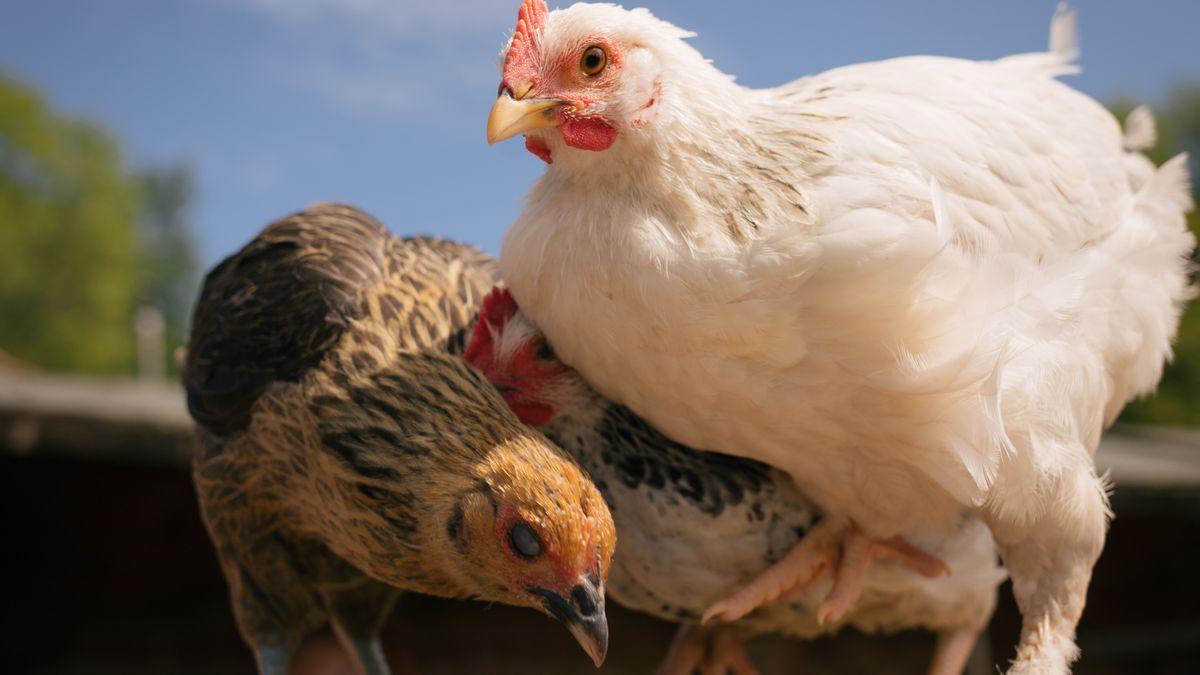
Keeping a few hens in the garden is one of the most rewarding steps you can take towards a more self-sufficient life. Before you order timber or reserve point-of-lay pullets, do the quiet groundwork: local rules, tenancy conditions and neighbourly practicalities. Rules vary from street to street, so check before you build or add birds.
Most people assume keeping garden hens is a free-for-all. In practice, three layers matter: council guidance, tenancy or lease conditions, and nuisance law. None is usually designed to stop small-scale hen keeping, but each can cause trouble if ignored. A morning of phone calls and reading small print can save months of worry.
A few hens kept as pets rarely need planning permission. But a large coop, a permanent run or a shed may count as development. Check permitted development rights, especially if you live in a listed building, conservation area, flat or maisonette, where rights are often removed. Allotment sites have their own rules: usually no cockerels, a limit on numbers, coop size restrictions and no sale of produce without permission.
Environmental health handles noise and smell complaints. Cockerels are the main flashpoint: they crow from first light and many urban councils treat them as a noise nuisance. Even where not banned, a cockerel can turn a friendly neighbour into a complainant. If you plan to sell eggs or meat, separate food hygiene and labelling rules apply, so speak to your council's environmental health team first.
If you rent, your tenancy agreement may ban pets or poultry outright. Social housing providers often have pet policies; private landlords can refuse. Leasehold flats may prohibit animals or anything causing nuisance. Freehold deeds can contain restrictive covenants, such as no poultry, no trade and no additional structures. Always ask for written permission, specifying the number of birds and coop position. A verbal "yes" is not enough if a complaint later lands on your doormat.
Hens are quiet compared with cockerels, but they cluck loudly when laying, hungry or frightened. Site the coop away from neighbour bedrooms and shared fences. Keep numbers modest and avoid early-morning chores that rattle feeders or gates. Smell and flies come from wet bedding and spilled feed, so clean regularly, keep bedding dry and store feed in airtight bins. Secure grain against rats and mice, and fox-proof the run. Talk to neighbours before building. A short chat or note explaining your plans, no cockerel and a cleaning routine prevents most complaints. If a dispute arises, environmental health can investigate statutory nuisance.
Local rules sit alongside national animal welfare law. You must provide a suitable environment, a proper diet, space to behave naturally, company or solitude as appropriate, and protection from pain, injury and disease. In Great Britain, all poultry keepers must register their birds on the national poultry register, regardless of flock size; Northern Ireland has its own arrangements. During avian influenza outbreaks, housing orders may apply, so check current guidance before birds arrive. Practise good biosecurity: clean footwear, quarantine new birds and contact your vet if you suspect disease.
When adding to your flock, check local limits and tenancy conditions first. Allow plenty of space: perch, nest box, feeder and run room all matter. Introduce new hens slowly and monitor for bullying.
Good hen keeping is neighbourly hen keeping. A little paperwork now means you can enjoy your flock, share the occasional egg and keep the peace on your plot for years to come.

Hi, my name is Anthony kuber. I am artist and fashion designer.
I love to travel and writing blogging.
Your email address will not be published. Required fields are marked *
Software Developer & Writer
Hey, I'm Diva, a developer and writer blending code and creativity. I'm driven by a deep curiosity and a relentless pursuit of excellence. Join me as I craft digital solutions and captivating stories.


