
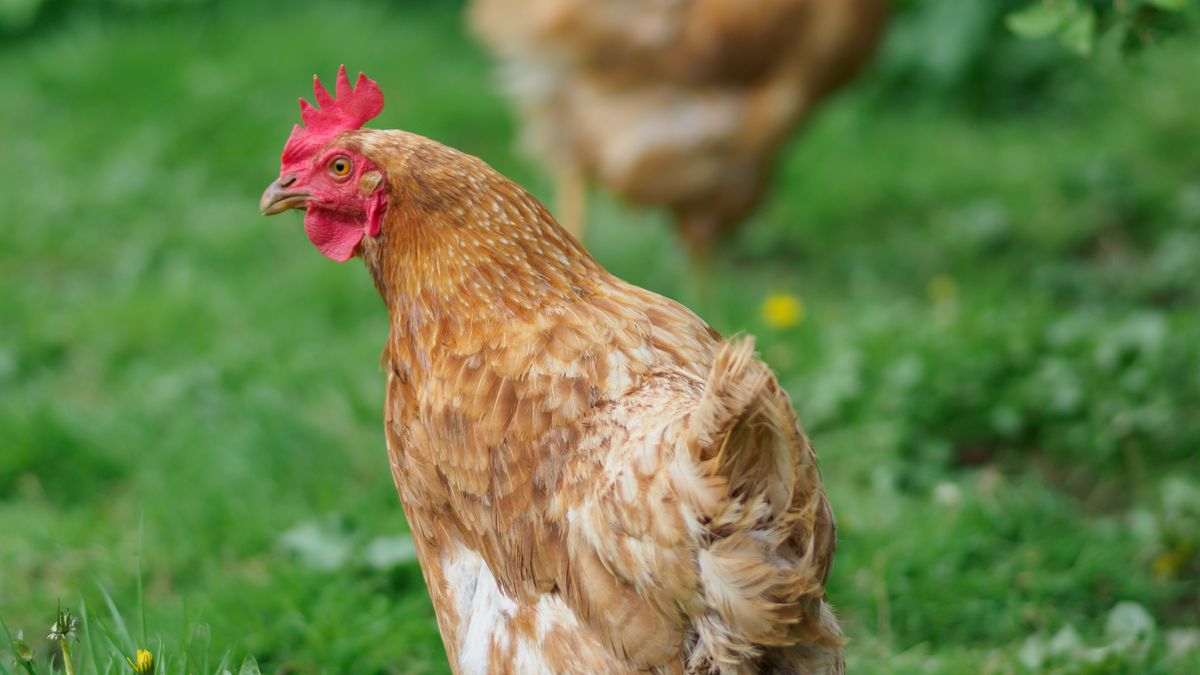
Every flock keeper knows the look: you step out of the back door and twelve expectant faces appear at the run fence. Handing out little extras is one of the genuine pleasures of keeping hens, and a bit of variety keeps them busy, curious and content. The important thing to remember is that a hen's nutritional needs are almost entirely met by a good-quality layers' pellet or mash. Treats should make up no more than about ten per cent of what she eats in a day — roughly a small handful per bird, not a bowlful.
Get that balance wrong and the consequences are quietly serious. Hens fill up on the tasty stuff and leave the pellets, so protein, calcium and vitamin intake drops. You then see the fallout: thinner shells, fewer eggs, dull feathers, sometimes feather pecking as birds search for protein. An overweight hen is also a hen prone to prolapse and fatty liver. Treats are a garnish, not a meal.
Most of the safe list is exactly what you would expect. Chop things into hen-sized pieces — a whole apple is a squabble waiting to happen, and grapes are best halved so nobody gulps one whole. Safe and useful options include:
Hang a cabbage or a leafy brassica stalk from a bit of string in the run and you have entertainment as well as food. Scattering mixed corn on the ground late in the afternoon encourages natural foraging and gives the birds a slow-release energy boost through a cold night, which is particularly welcome in a Scottish or northern winter.
Here in the UK, there is a legal point that many new keepers miss. Under animal by-products rules, you must not feed kitchen scraps that have come from a kitchen where meat is handled to farmed animals, and backyard hens count as livestock. The ban exists to prevent disease spread, and it applies whether you keep three hens in a suburban garden or three hundred on a smallholding.
The practical, safe approach is to keep the scrap bucket out of the equation altogether. Feed garden surplus instead: bolted lettuce, thinnings, outer leaves, windfalls, herbs, and the vegetable trimmings prepared on a board away from any meat. If you do offer plant-based peelings, keep them strictly vegetable and fruit, wash them, and never let them sit and sour in the run. Many experienced keepers simply grow a dedicated patch of kale, comfrey and leafy greens for the birds — it is cheaper, legal and completely under your control.
Some things are genuinely dangerous rather than merely fattening. Keep this list in mind and be firm with well-meaning family members who want to "treat" the hens with leftovers.
Dairy in small amounts is usually tolerated, but hens are not designed for it, so keep cheese and milk to the occasional crumb. Lawn clippings and long cut grass should never go into the run; they mat down, ferment and can cause crop problems.
Offer extras in the afternoon, once the birds have had a full day on their pellets. Use them as a tool rather than a habit: scatter them through the woodchip so hens have to scratch and work for them, or tuck greens into a hanging feeder. This keeps birds active, reduces boredom-driven feather pecking and means your treats are doing a job.
Always have insoluble grit available for digestion and oyster shell for calcium, and make sure clean drinking water is never more than a few steps away. Never leave wet or cooked food lying about — it attracts rats, wild birds and flies, and it spoils fast in warm weather. Feed in a trough or on a clean patch, and clear away anything uneaten by the end of the day.
Hens are surprisingly stoic, so watch for the early signs: a squishy or slow-emptying crop, runny droppings, a sudden drop in laying, or a bird standing hunched and fluffed. If you suspect a food has caused a problem, remove it immediately, offer pellets and water only, and give the crop a day to settle. Persistent symptoms, especially a sour-smelling crop or a hen who stops eating altogether, need a poultry-friendly vet rather than home remedies. With a sensible, varied and modest approach to treats, though, most flocks stay healthy, busy and delighted to see you at the gate.

Hi, my name is Anthony kuber. I am artist and fashion designer.
I love to travel and writing blogging.
Your email address will not be published. Required fields are marked *
Software Developer & Writer
Hey, I'm Diva, a developer and writer blending code and creativity. I'm driven by a deep curiosity and a relentless pursuit of excellence. Join me as I craft digital solutions and captivating stories.


