
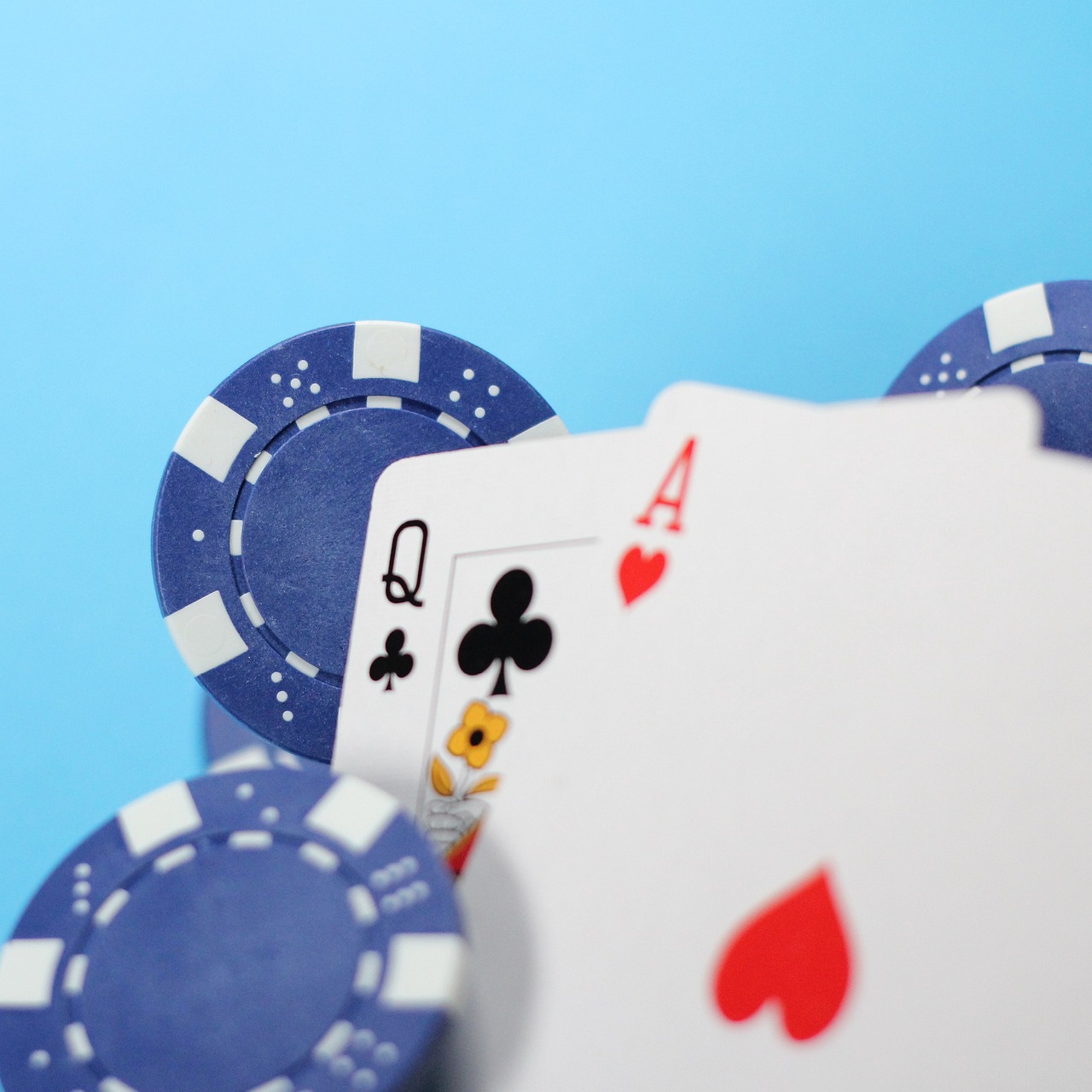
The first time I watched a friend lose four buy-ins in a single online poker session, he didn't blame the deck. He blamed the algorithm. That instinct—to look for a hidden hand behind the curtain—is one of the most common misunderstandings in iGaming. And it's exactly why most players who stick around for years tend to develop the same quiet discipline: they treat these games as entertainment with a mathematical edge, not as a rigged puzzle waiting to be solved.
Whether you're spinning slots at 2 a.m., grinding micro-stakes cash games, or placing a Saturday accumulator, the landscape rewards curiosity and punishes impulse. Let's walk through what actually matters.
Almost nobody enters iGaming as an expert. You click a banner, you see a polished lobby with hundreds of tiles, and you pick whatever artwork catches your eye. That's fine for the first week. The trouble begins when a beginner mistakes a random win on a high-volatility slot for a repeatable strategy.
Here's the reality check most new players need:
Slots are the entry point for most players because they demand zero skill. But they're also the most misunderstood. The single number that tells you the most is RTP—Return to Player. A 96% RTP slot returns 96 cents per euro wagered over millions of spins. In a single session, you might hit 500% or lose everything.
Three practical tips that separate casual players from informed ones:
Progressive jackpots are tempting, but remember: the jackpot contribution often comes out of the base RTP. You're paying for a lottery ticket dressed as a slot.
Poker is where iGaming gets genuinely intellectual. The cards are random, but the money flows from decisions. If you're new, skip the high-stakes tables entirely and focus on three fundamentals. For more on this, see สล็อต.
Cash games reward patience and repeatable edges. Tournaments reward aggression and survival, but the variance is enormous—even elite players go months without a deep run. If you have a day job, cash games are usually the more sustainable pursuit. Tournaments are the casino's version of a lottery with a skill curve.
The classic mistake in sports betting is betting on the team you love. Emotional attachment destroys value. The sharpest bettors don't care who wins—they care whether the odds are wrong.
Consider a simple example. A bookmaker offers 2.10 on a coin flip that's genuinely 50/50. Fair odds would be 2.00. That extra 0.10 is positive expected value. Bet enough of these and you profit over time, regardless of any single result. Finding them requires line shopping—comparing odds across multiple bookmakers—and it's tedious. But it's the only honest edge most recreational bettors have.
Also worth noting: accumulator bets are fun but mathematically punishing. Each added leg multiplies the bookmaker's margin. A five-leg parlay turns a decent 5% edge into a near-certain loss over time.
iGaming is engineered to be immersive. Lights, sounds, animations—every element is designed by people who understand behavioural psychology. Near-misses on slots trigger the same dopamine response as actual wins. Bonus offers with wagering requirements keep you playing longer than you intended. Live dealer streams add social pressure.
None of this makes gambling evil. But it does mean you need to play consciously. A few habits that help:
Licensed operators in jurisdictions like Malta, the UK, and various EU states must meet strict standards—independent RNG audits, segregated player funds, responsible gambling tools. Unlicensed offshore sites often don't. The difference shows up when you try to withdraw €2,000 and suddenly the support team stops replying.
Before you deposit anywhere, check the licence. Look for clear terms on withdrawals, bonus wagering, and dispute resolution. If a site hides its licence behind three clicks, that's a signal.
iGaming covers an enormous spectrum—from mindless slot spinning to deeply strategic poker. The unifying truth is that nobody beats the house through intuition alone. What actually works is unglamorous: understanding RTP, managing your bankroll, playing within licensed environments, and treating every session as entertainment you've already budgeted for. The players who last aren't the lucky ones. They're the ones who never confuse luck with skill, and never bet more than they can shrug off.

Hi, my name is Anthony kuber. I am artist and fashion designer.
I love to travel and writing blogging.
Your email address will not be published. Required fields are marked *
Software Developer & Writer
Hey, I'm Diva, a developer and writer blending code and creativity. I'm driven by a deep curiosity and a relentless pursuit of excellence. Join me as I craft digital solutions and captivating stories.


