
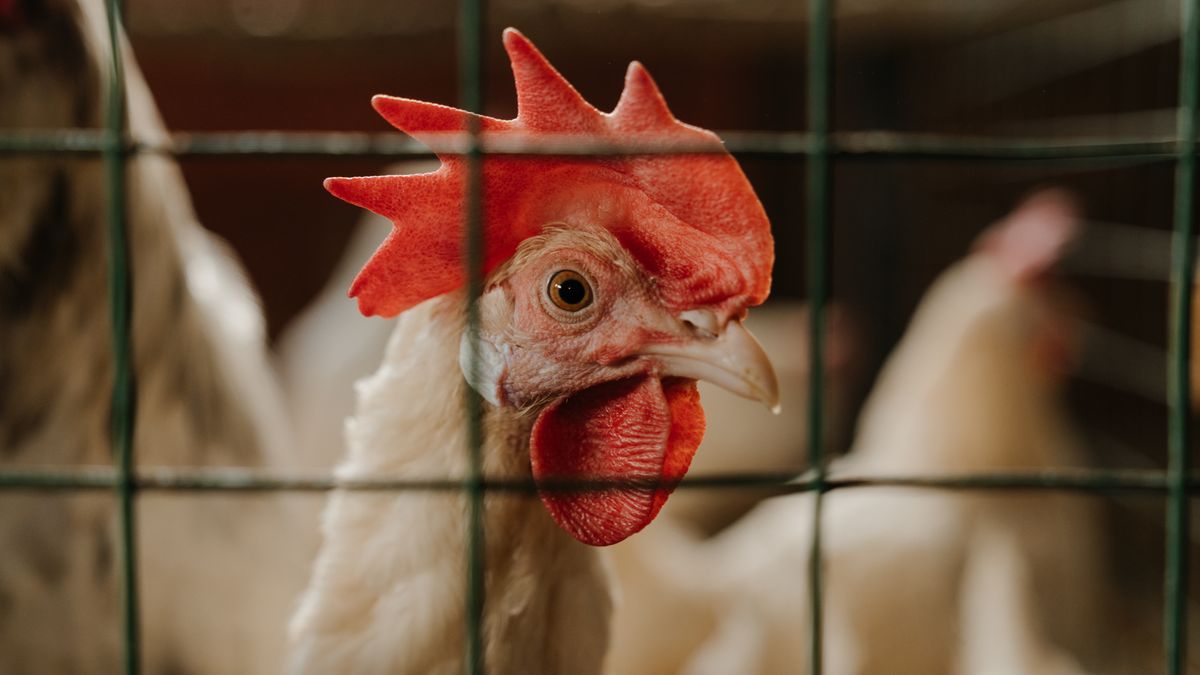
A well-run flock can save you hours of hand-weeding, interrupt the life cycles of slugs and leatherjackets, and hand you a steady supply of the finest soil conditioner a smallholding can produce. The catch is that hens have no concept of a seedbed. Given free rein in a wet January bed they will poach the surface into a compacted pan, and a single morning's scratching through a newly sown row of carrots can undo a month of planning. Treat your birds as a powerful tool rather than a permanent resident, and put them to work on beds only when those beds have nothing left to lose.
It helps to be honest about the good and the bad. Hens are not gentle cultivators, but their habits are exactly what a tired bed needs at the right moment.
Think of hens as an autumn and early winter clean-up crew, with carefully rationed visits at other times of year.
The single most useful piece of kit for this job is a bottomless chicken tractor or a movable pen made from lightweight hurdles and netting. Move it daily or every couple of days so no patch is stripped bare, and work the pen across the plot in a planned rotation rather than letting the hens choose. A useful rule of thumb is no more than eight to ten birds on ten square metres for a few days at a time. If the ground starts to look like a raked seedbed rather than a garden bed, you have left them on too long.
Where you cannot move a pen, use temporary netting and a short electric fence to define exactly which bed is open, and close the rest. Rotate that access week by week. It keeps the birds interested and gives each bed a proper rest.
There are three situations where hens must simply be kept out, no matter how tempting it is to let them tidy up.
Remember too that hens on pasture will need worming and mite checks in the usual way, and any bird that has been on vegetable beds should be healthy and well-dusted before access begins.
Hen manure is a wonderful resource but a poor thing to plant into straight away. The simplest routine is to let the birds manure the beds in autumn, then spread a thin layer of garden compost or autumn leaves over the top and let the worms pull it down through winter. Alternatively, collect droppings and spent bedding from the coop, stack them with straw, cardboard and green waste, and turn the heap once or twice. Six months later you will have a crumbly, sweet-smelling compost that will feed a bed far better than anything you can buy in a bag.
Do not pile fresh droppings thickly around fruit bushes or perennials; a mulch of well-rotted material in early spring is plenty. Used thoughtfully, with access timed to the garden's rhythm rather than the hens' appetite, your flock becomes the quietest, most productive soil improver on the holding.

Hi, my name is Anthony kuber. I am artist and fashion designer.
I love to travel and writing blogging.
Your email address will not be published. Required fields are marked *
Software Developer & Writer
Hey, I'm Diva, a developer and writer blending code and creativity. I'm driven by a deep curiosity and a relentless pursuit of excellence. Join me as I craft digital solutions and captivating stories.


